MARKING THE DUST
August 1 2026 – November 7 2026
Fairfield Museum and Gallery, Sydney
Featuring: Armando Chant, Carmen Glynn -Brawn, Isabella Kennedy, Kyra Kum-Sing
EXHIBITION STATEMENT
Marking the Dust brings together artists whose practices reflect on how we move with, remember and belong to place. I wanted this exhibition to consider place and, for me, Country, as a living presence that holds traces of the past while continually shaping the present and future. It asks what it means to leave a mark, and how those marks are carried forward across time.
The idea for this exhibition began with a small speck of dust. I became fascinated by the way dust moves, settles and shifts; how it’s carried by wind and water, how it gathers, disperses and changes form. Dust became a way of thinking about the cycles of movement and transformation that shape both people and place, and the marks we leave behind as we become part of something much larger than ourselves.
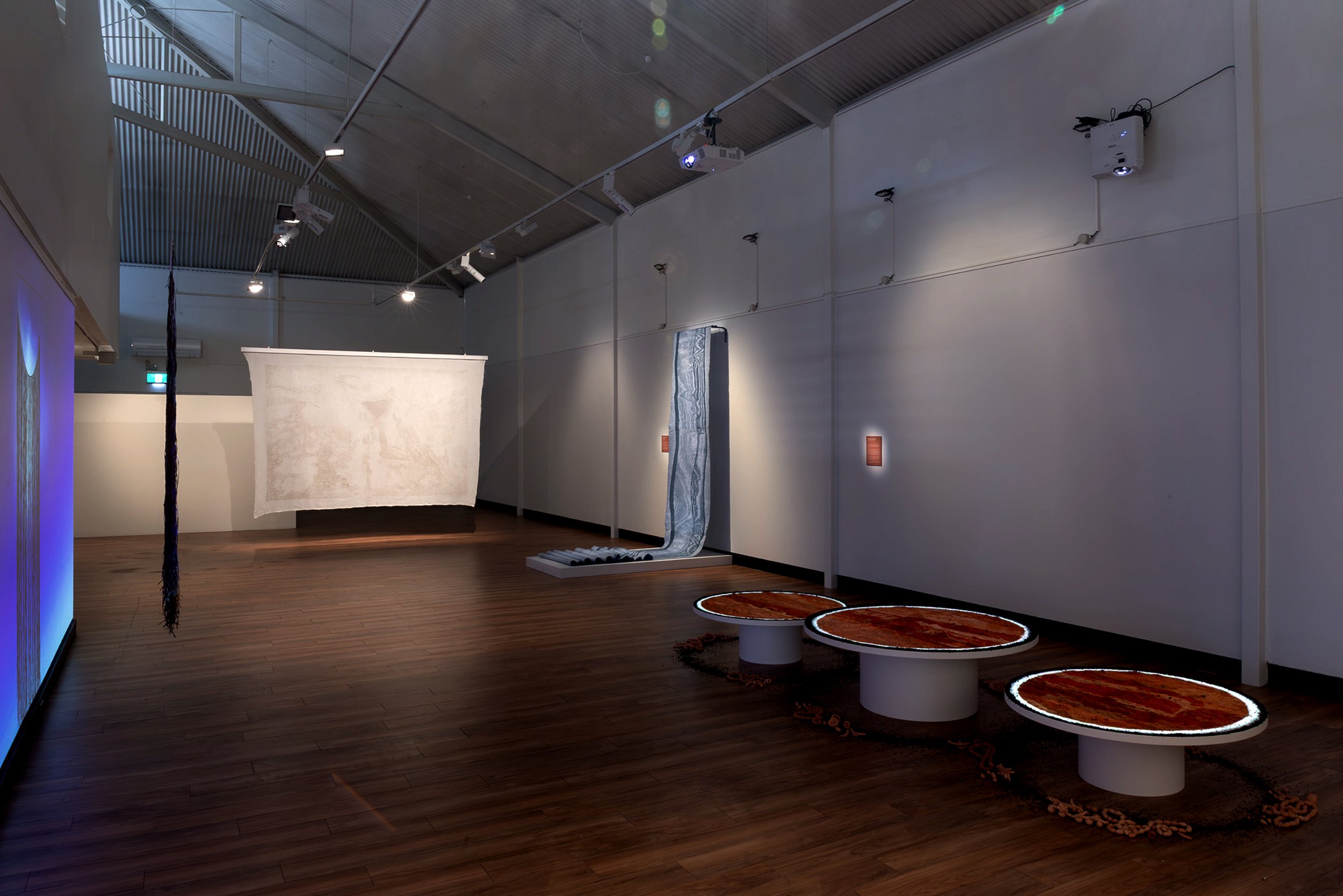
Rather than presenting a single narrative, Marking the Dust unfolds through different perspectives on connection, disconnection, gathering and return. The works by Armando Chant, Carmen Glynn-Braun, Isabella Kennedy and Kyra Kum-Sing each offer distinct ways of understanding our relationships with place, memory and one another. Together, they speak to the spaces between movement and stillness, where relationships are formed, renewed and sometimes lost.
This exhibition creates opportunities for coming together, where stories are shared across generations and memory is held collectively. Through painting, ceramics, sculpture, and installation the artists explore how perception, embodiment and memory shape an understanding of our surroundings, drawing attention to the quiet, in-between moments where change unfolds and new forms of connection emerge.
At a time when questions of land, care and coexistence feel increasingly urgent, Marking the Dust invites us to consider not only the histories held in the ground beneath us, but also the impressions we are making now. It asks us to reflect on how we move through the places we inhabit, how we care for them, and how our actions will be remembered long after the dust has shifted.
ARTIST
ARMANDO CHANT
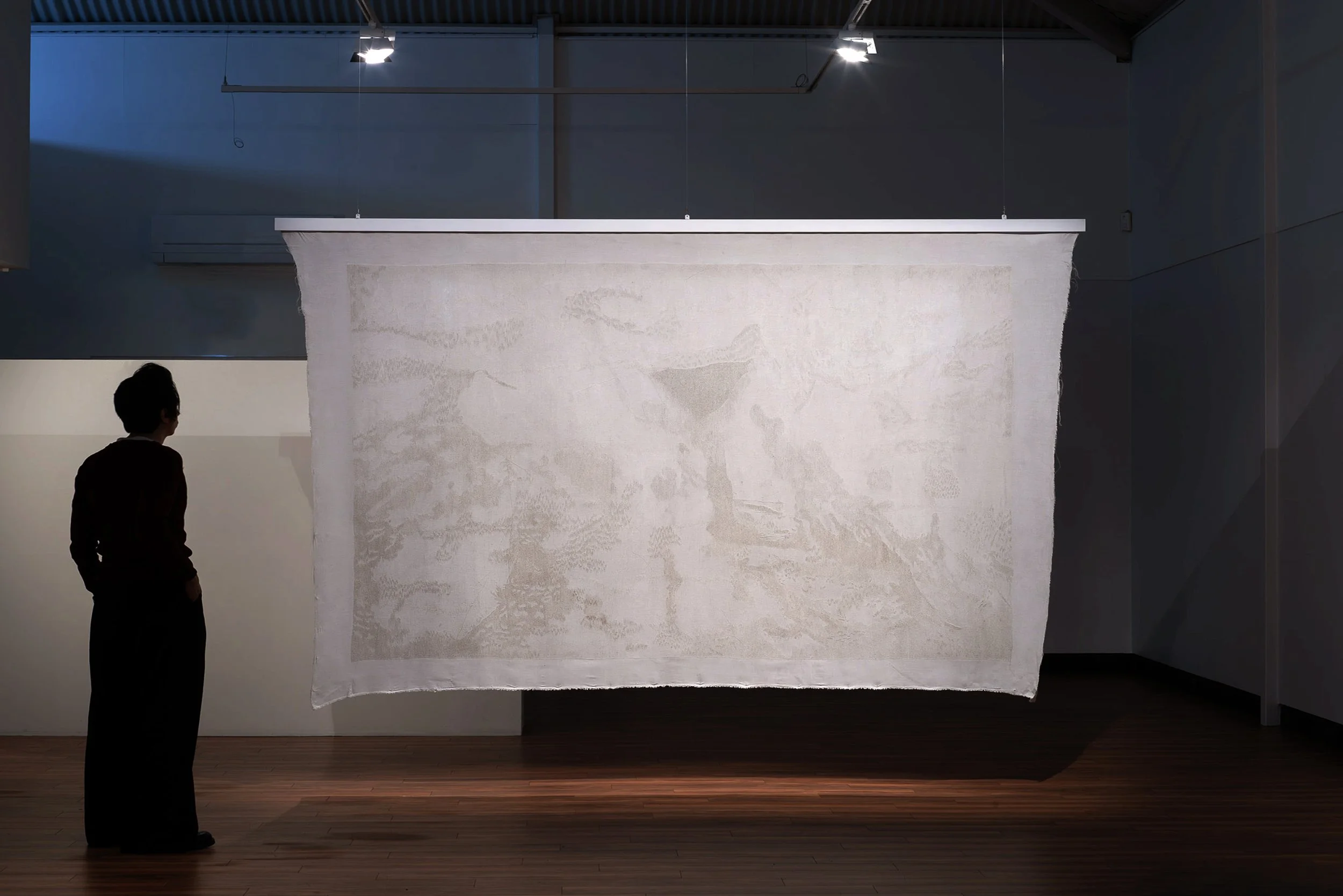
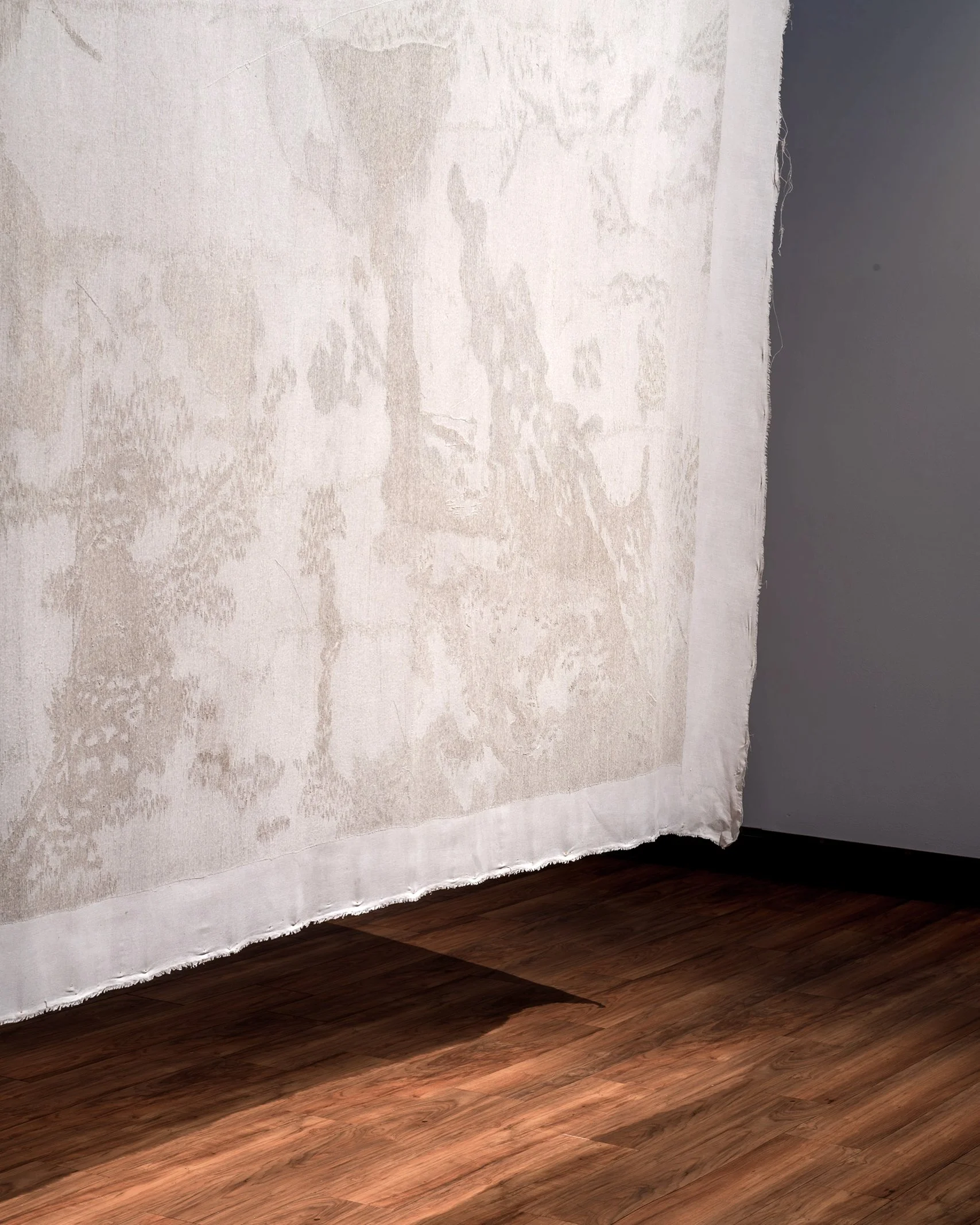
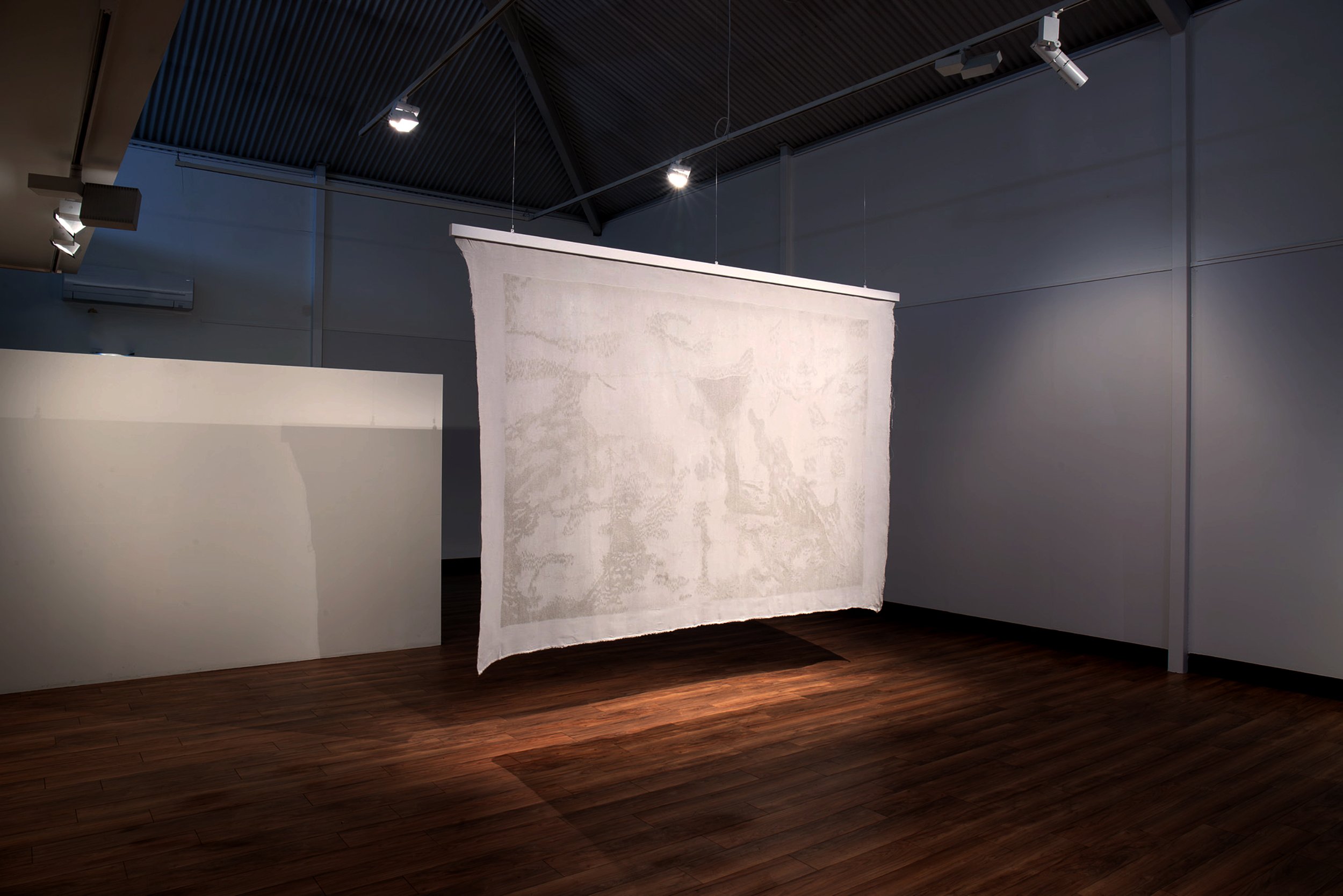
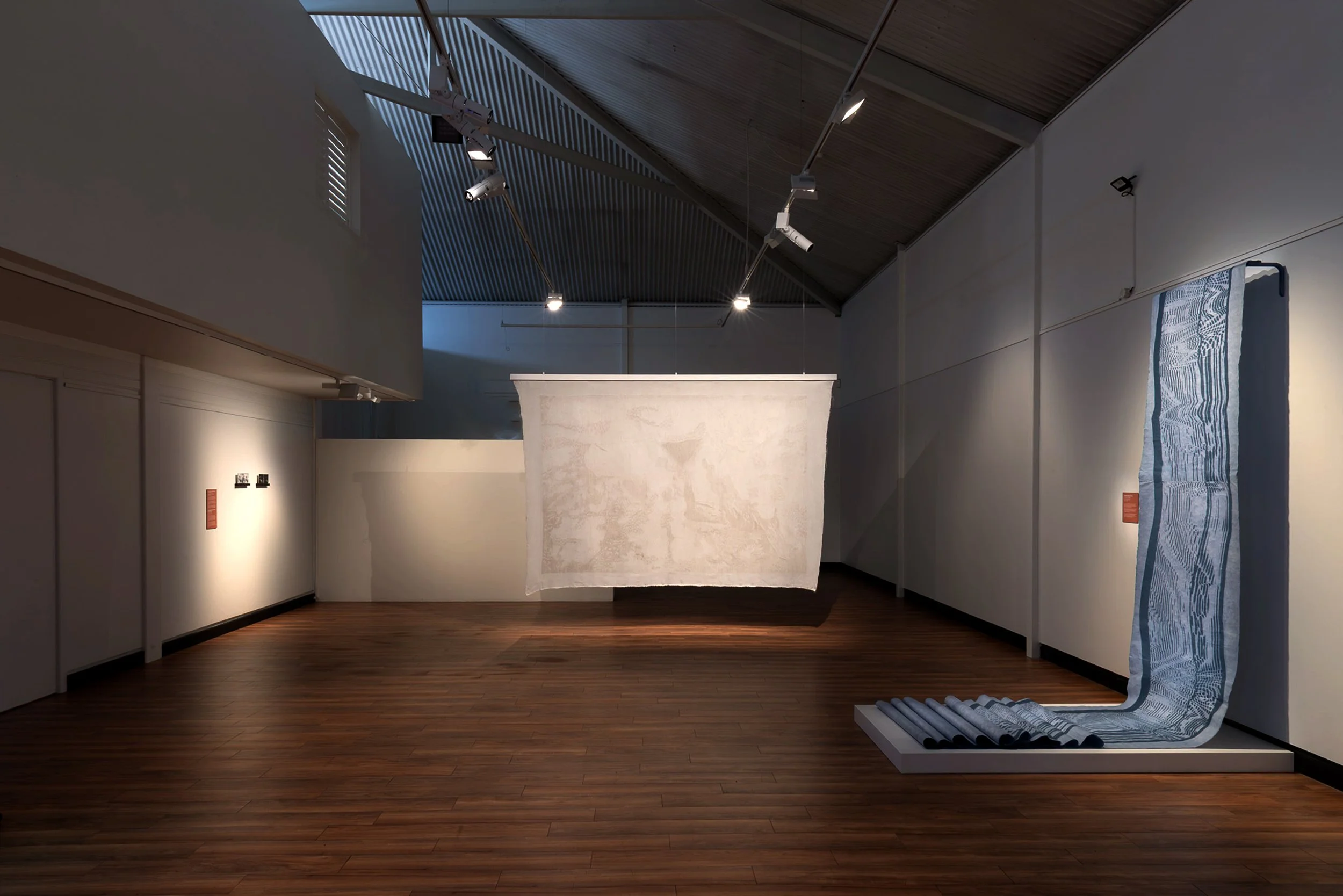
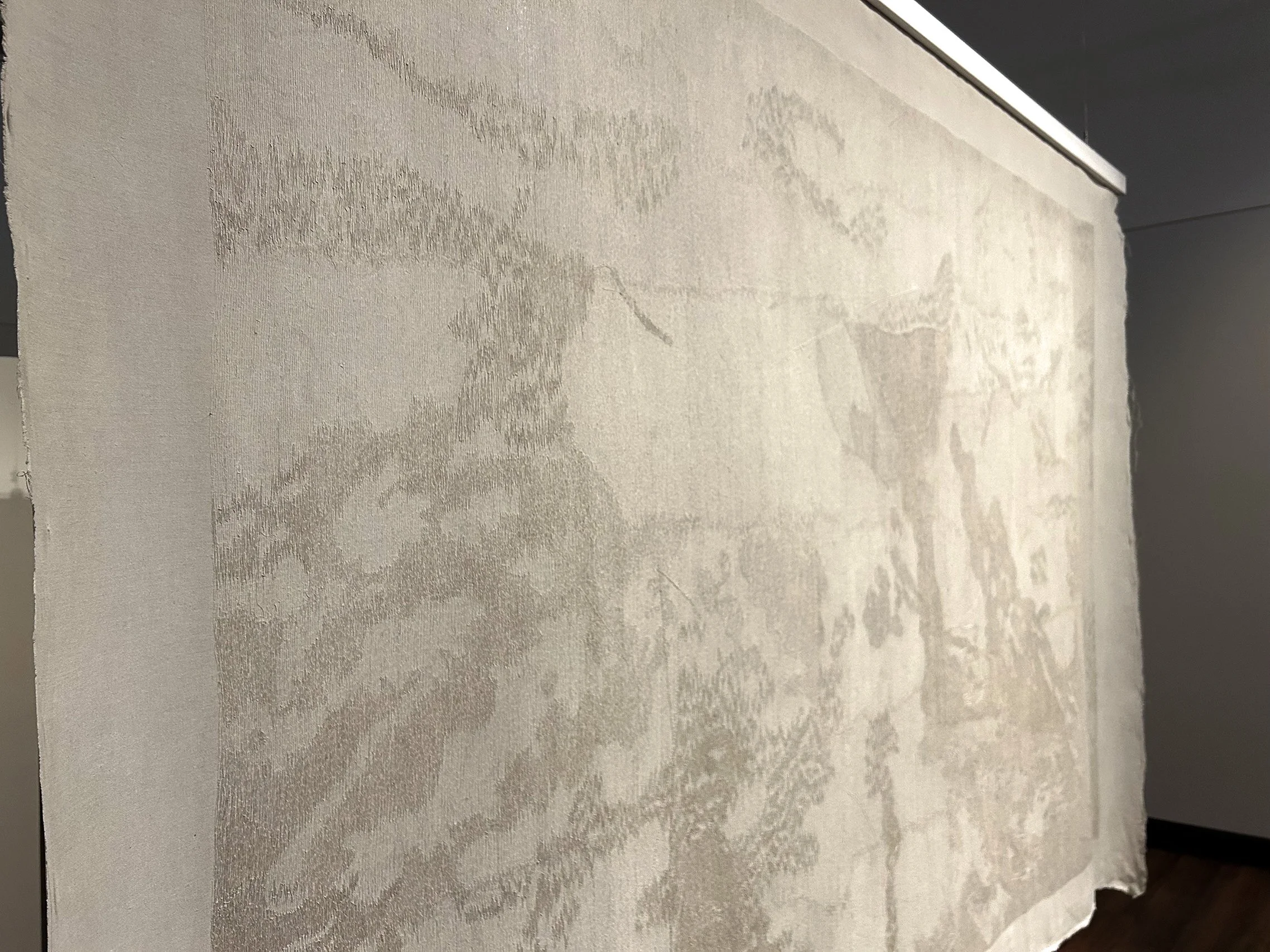
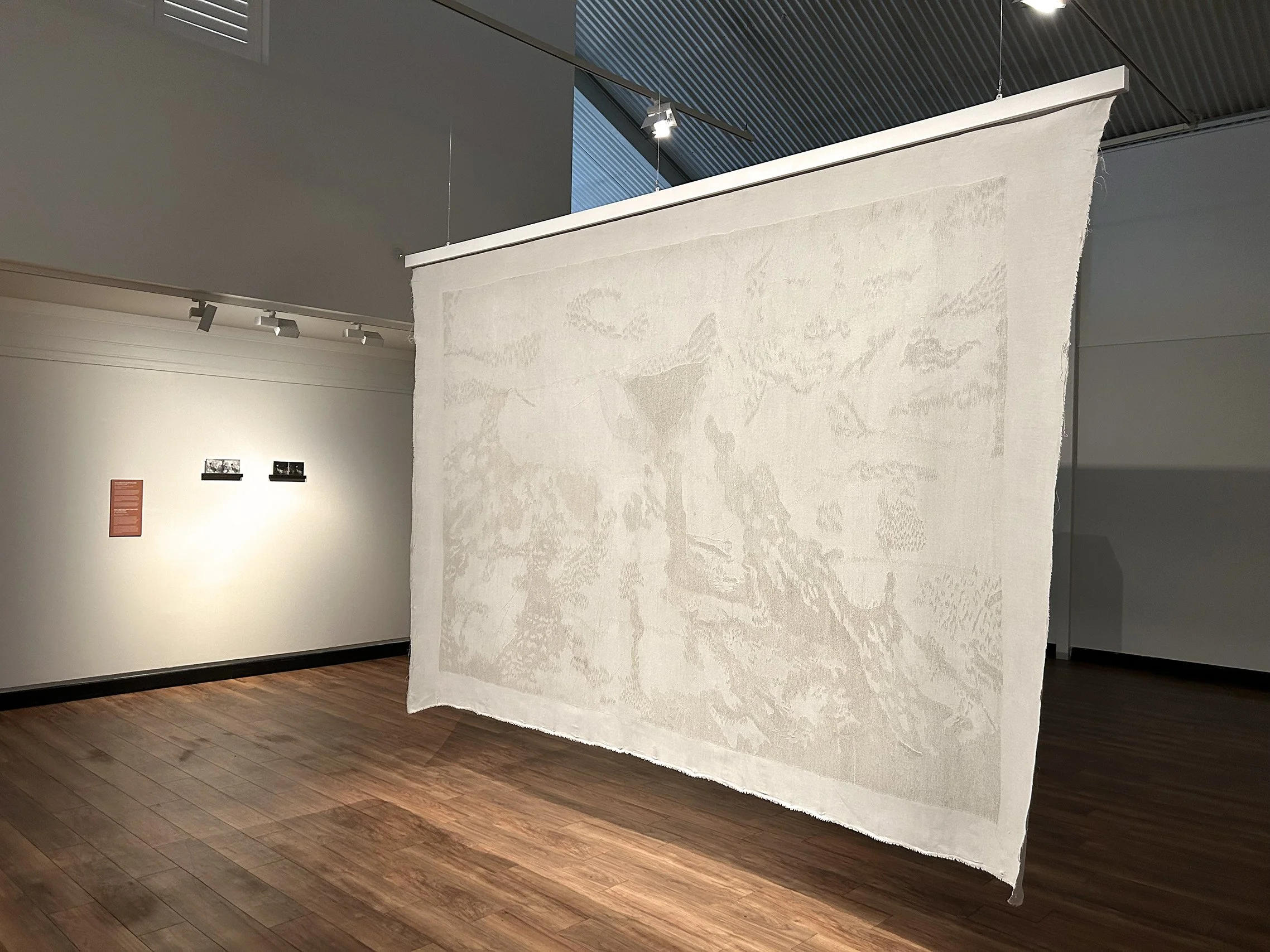
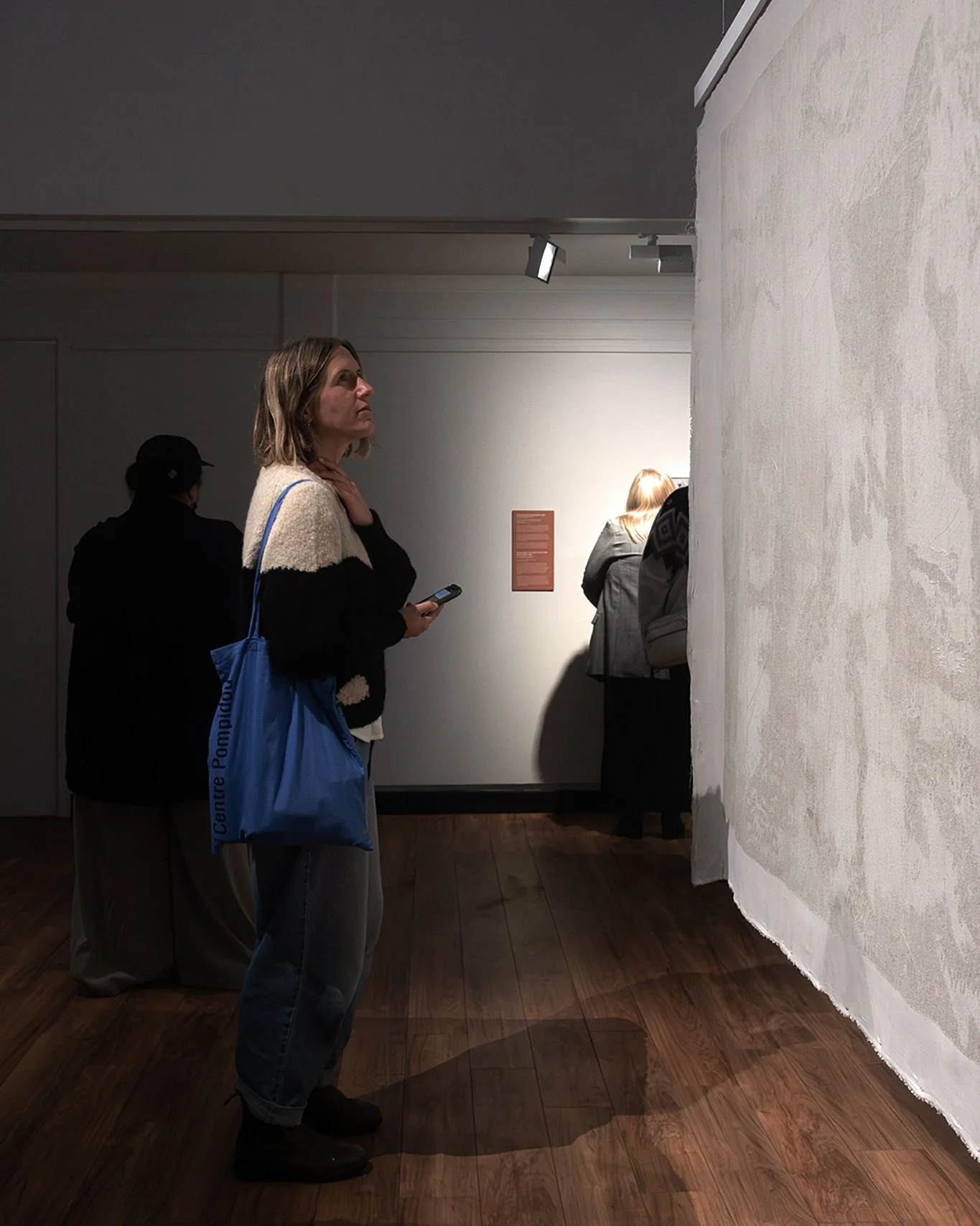
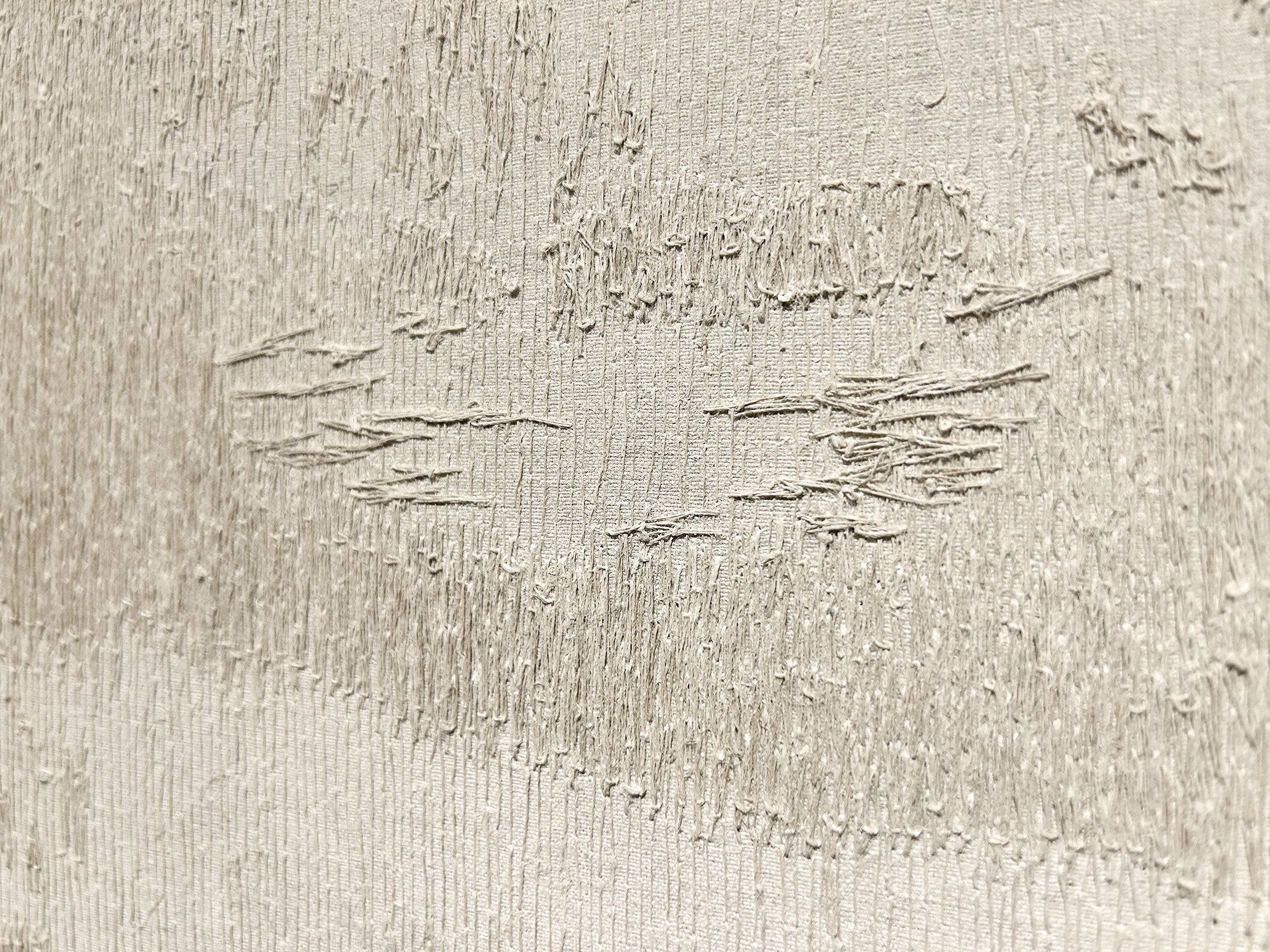
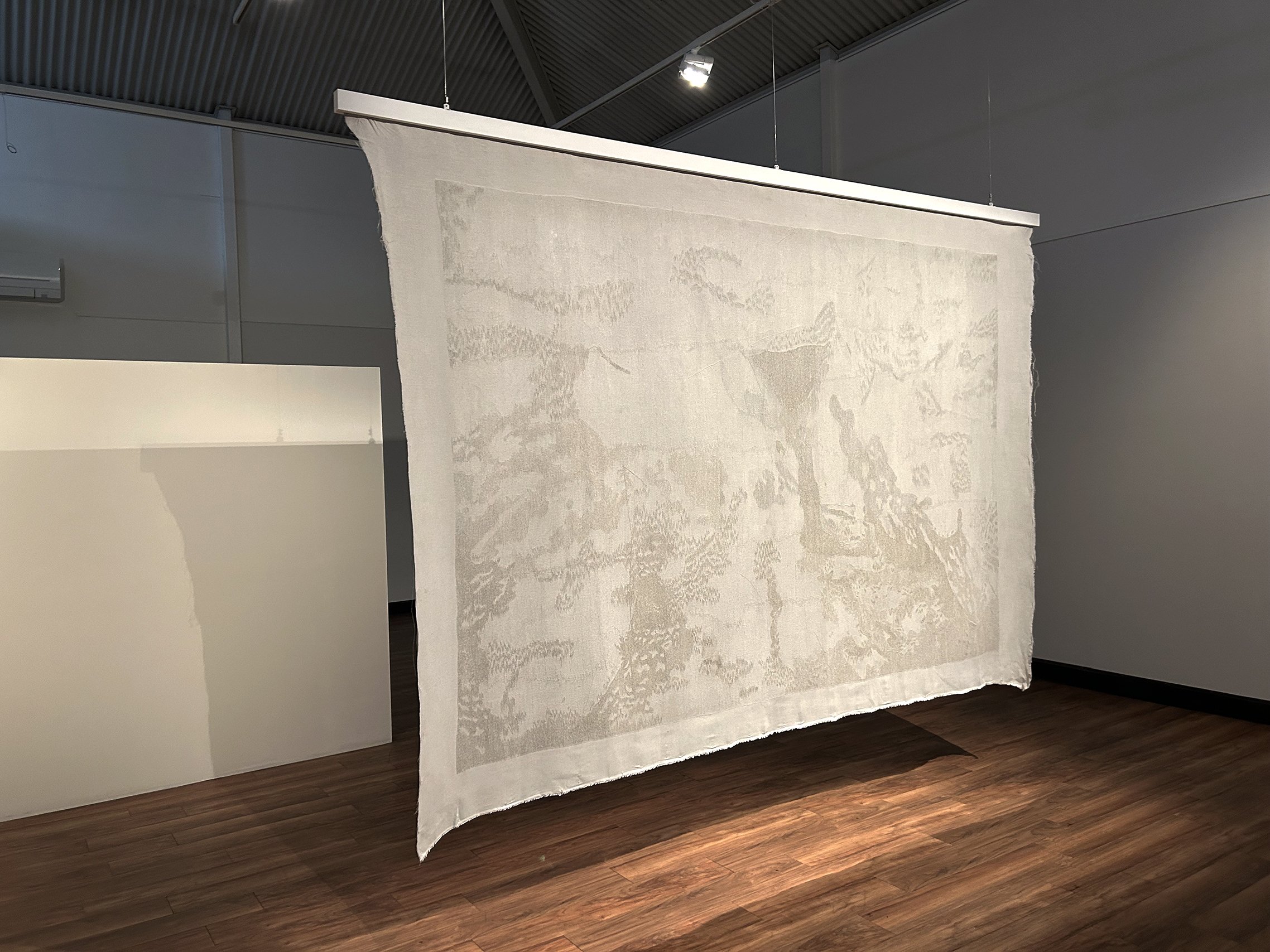
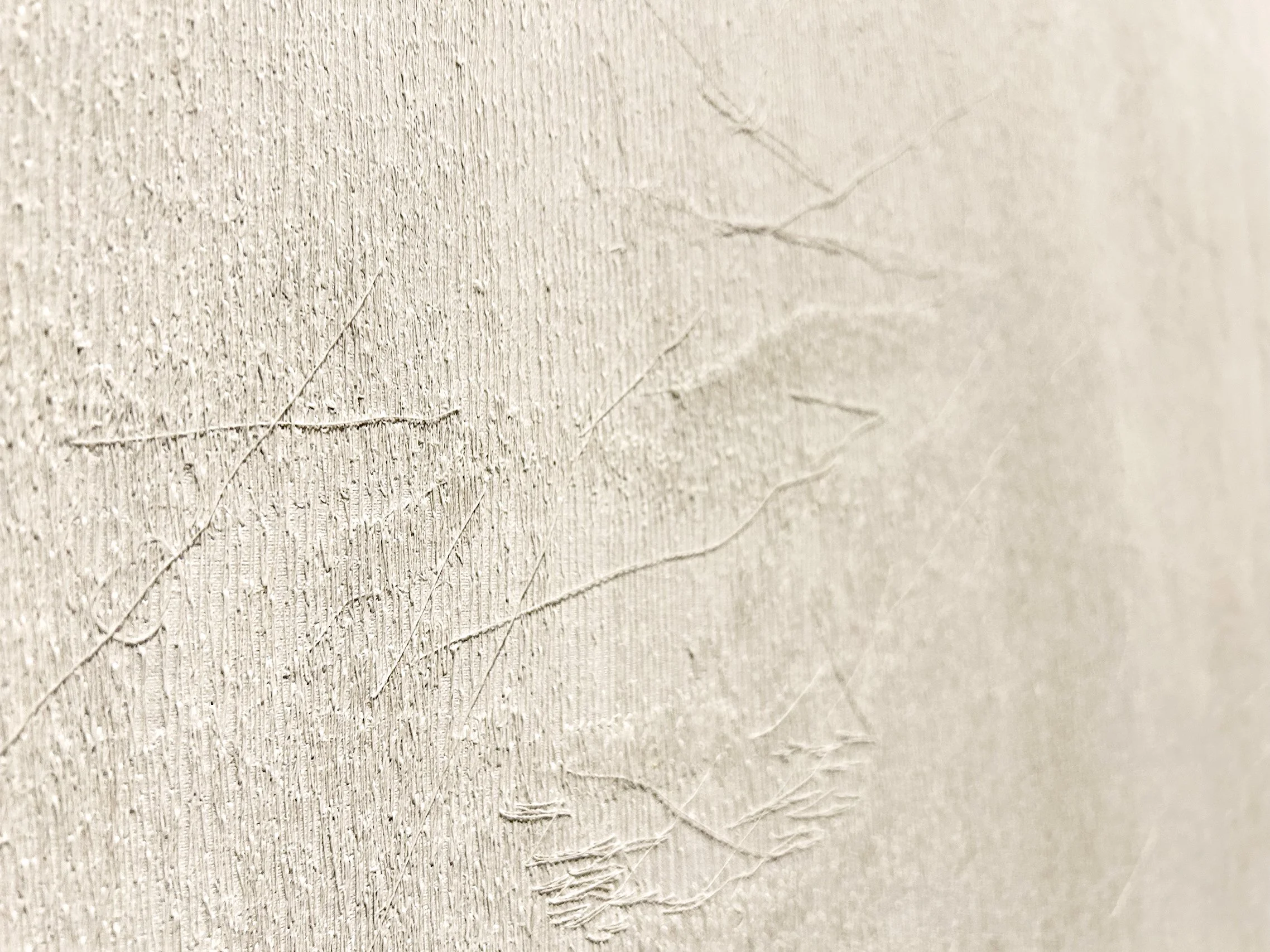
Armando Chant’s work Fractured Path (Surface) explores the notion of landscape as a tactile and imaginative experience rather than a record of place, a shifting field where image, material, and atmosphere merge. Layers of hand embroidery trace fragments of surfaces that emerge and fade, while translucent pigment washes evoke the effects of time, weather, and remembrance.
Based on an archival photographic negative, the work reflects on the layers of geological time held over time and what gradually slips away, rather than describing a specific location, it seeks to convey the feeling of being within a landscape, its quiet presence, impermanence, and emotional resonance. Fractured Path (Surface), here presented within a sculptural context, becomes a work that creates a space of engagement where personal and collective memory is continually rewritten, inviting viewers to reflect on landscape as a series of traces that remain after the visible has faded.
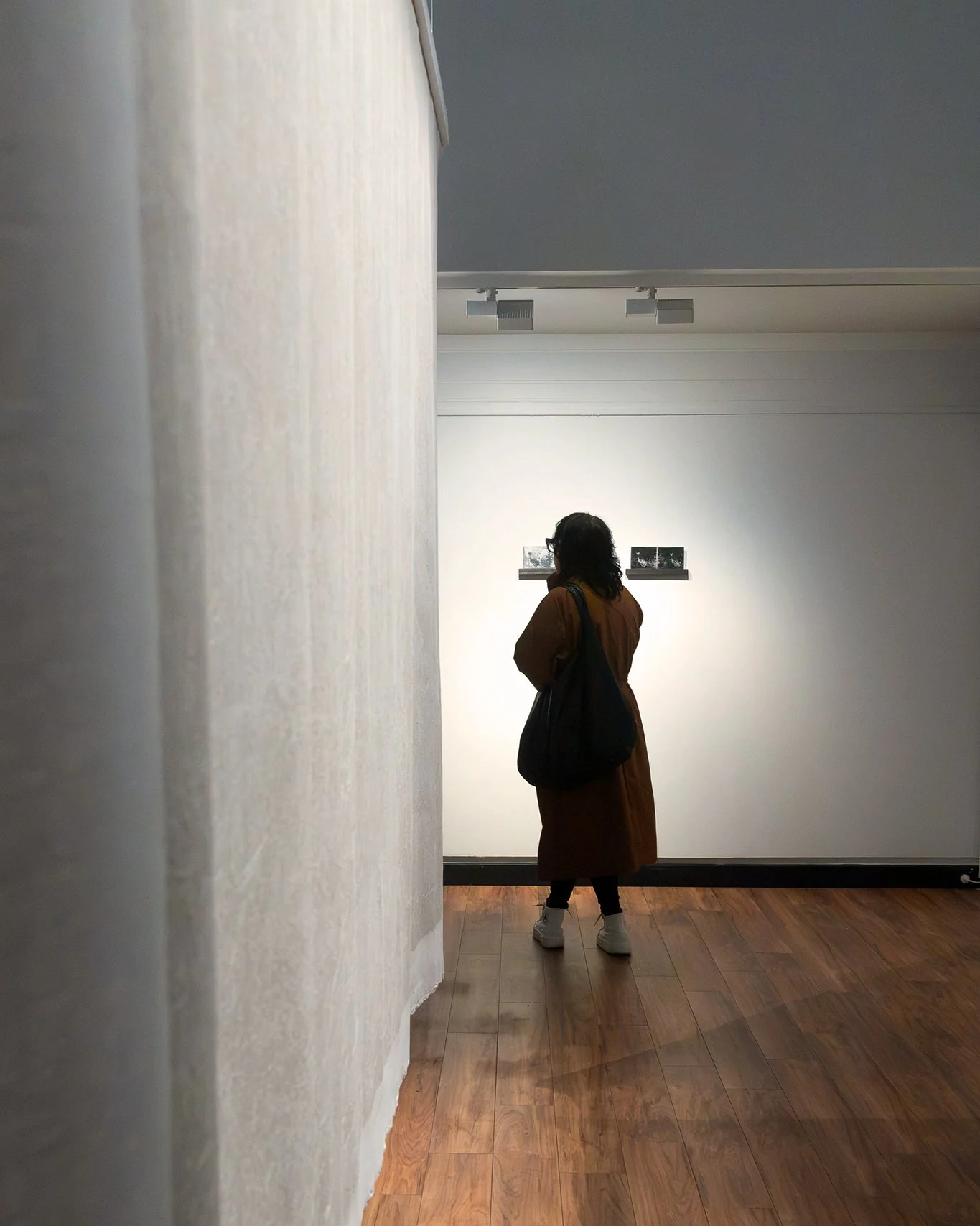
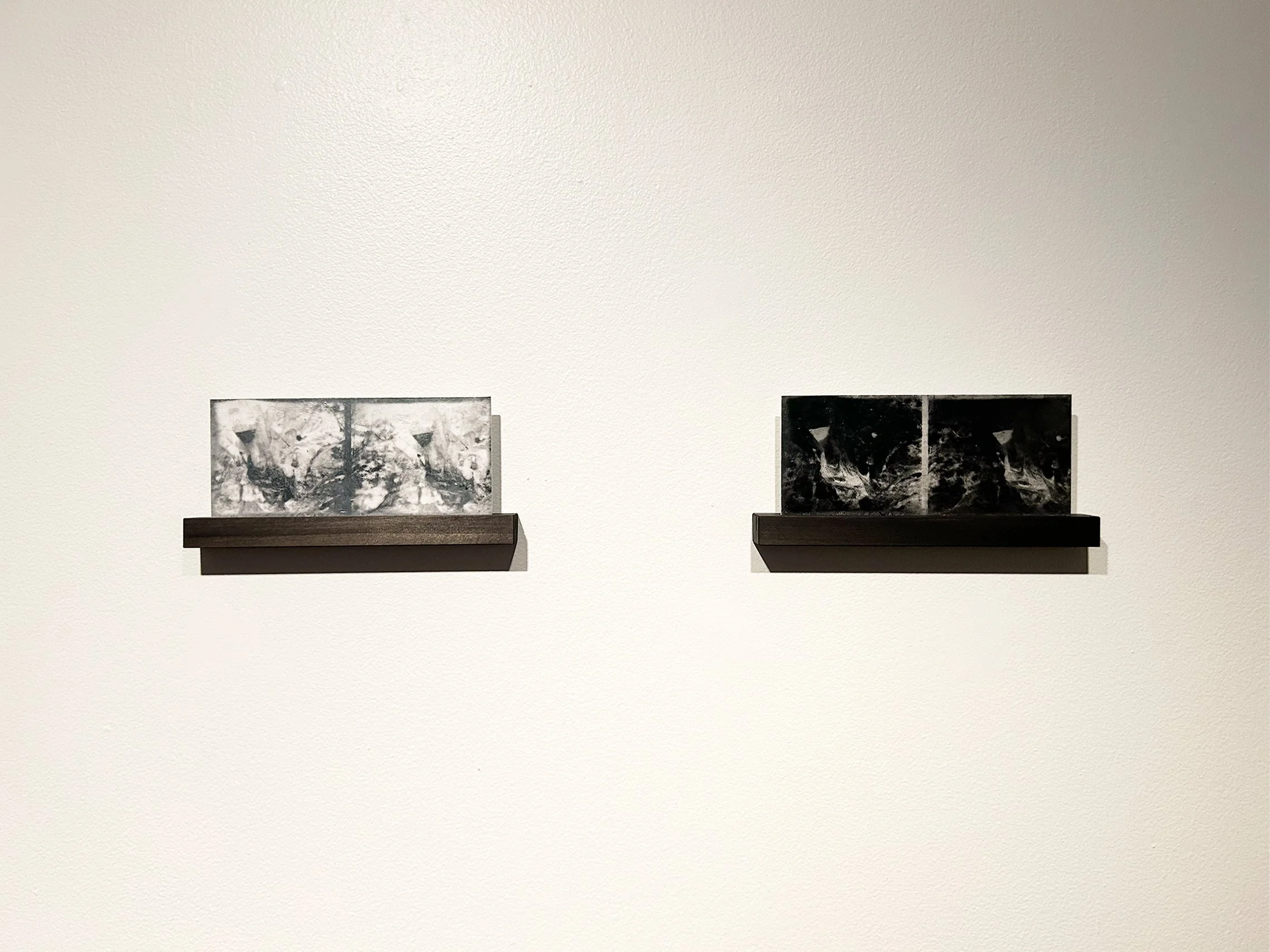
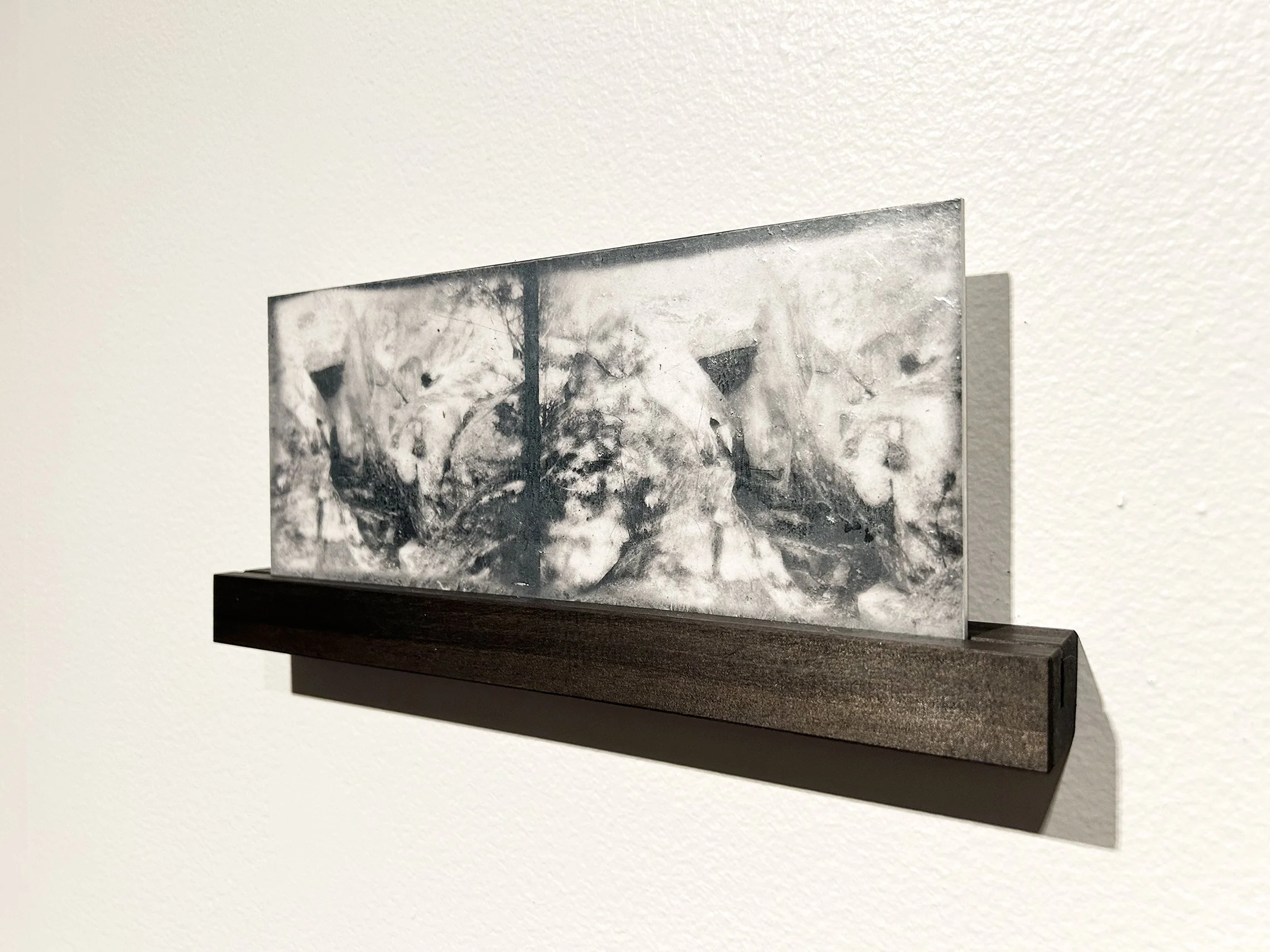
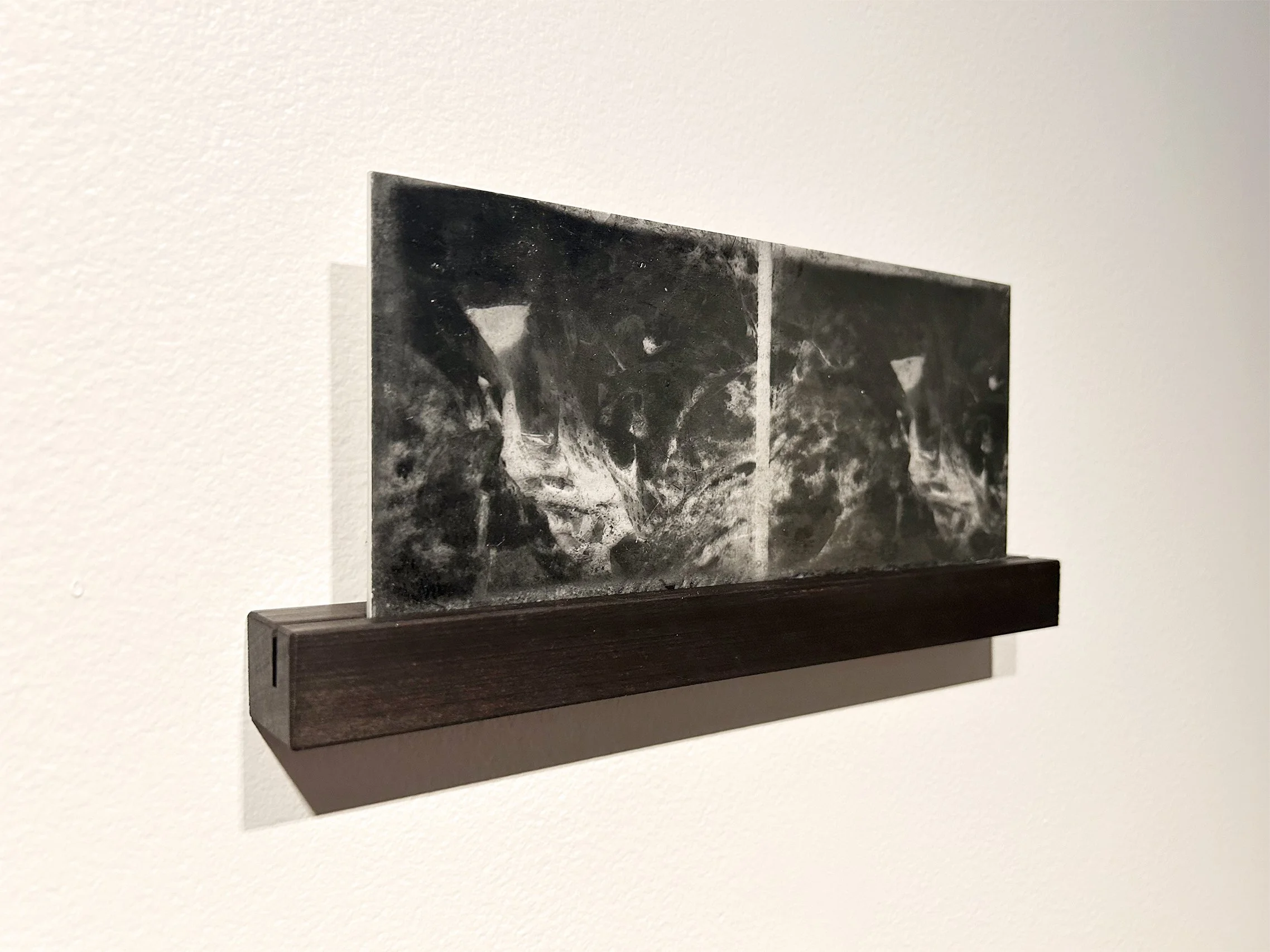
Chant’s photographic works Fractured Path (Light/Dark) transforms an archival stereoscopic photographic negative into a hybrid image-object that exists between photography, drawing, and sculpture. The archival negative is scanned and reworked through successive veil-like layers of media, allowing the image to emerge slowly from the surface rather than remain fixed within it. These material interventions obscure and reveal the original photograph, shifting it from a document of place into an atmospheric encounter.
Depicting a fallen pathway, the work reflects on the fragile relationship between memory and landscape, where traces of the past persist as fragments rather than complete narratives. Presented on a wooden shelf, the work occupies a transitional space between image and object, inviting viewers to move beyond the act of looking and consider the photograph as a physical presence. In this liminal state, landscape becomes something sensed as much as seen.